
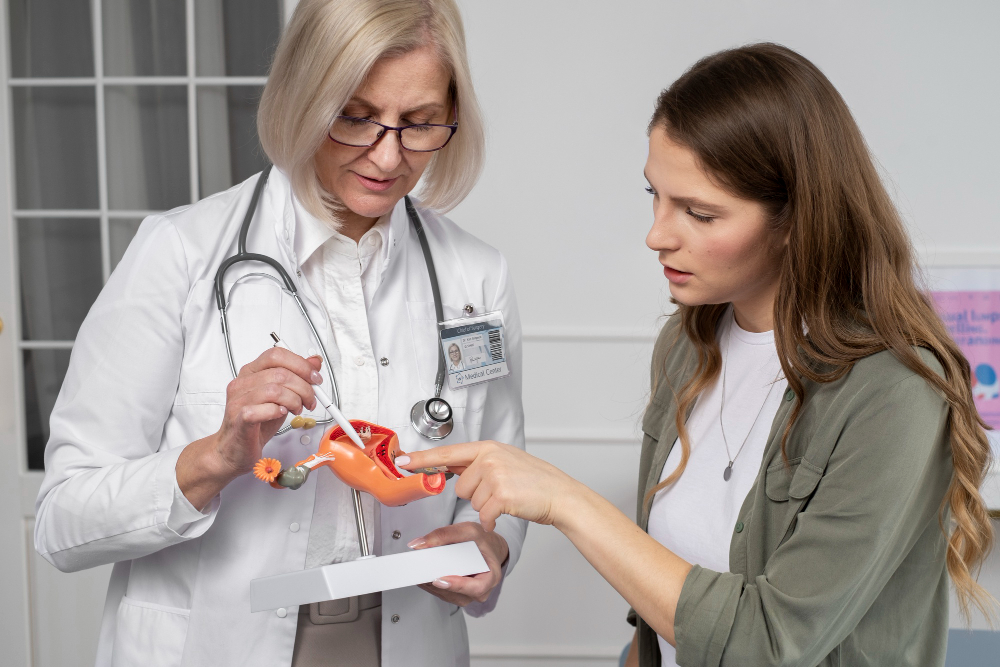
Uterine fibroids are non-cancerous growths that form in or on the uterus. Many women develop these growths during their childbearing years. Although most fibroids are harmless, they can sometimes cause discomfort or other health issues. This blog explains what uterine fibroids are, their symptoms, causes, diagnosis, and treatment options. Understanding these facts can help you make informed decisions about your health.
What Are Uterine Fibroids?
Uterine fibroids are lumps made of muscle and tissue. They grow inside or on the wall of the uterus, which is the organ where a baby grows during pregnancy. Most fibroids are small and do not cause problems. However, some can grow larger and lead to symptoms. Fibroids are also called leiomyomas or myomas. They are not cancerous and rarely turn into cancer.
Common Symptoms
Many women with uterine fibroids have no symptoms. However, some may notice changes in their bodies. For example, you might experience:
Sometimes, symptoms depend on the size, number, and location of the fibroids. If you notice any of these signs, it is important to talk to your doctor.
Causes and Risk Factors
Doctors do not know exactly what causes uterine fibroids. However, several factors may increase your risk. For instance:
Although these factors can increase your risk, anyone with a uterus can develop fibroids.
How Uterine Fibroids Are Diagnosed
If you have symptoms, your doctor may suggest tests to check for fibroids. First, your doctor will ask about your health and do a physical exam. Next, they may use imaging tests, such as:
Sometimes, other tests like hysteroscopy or saline sonogram may be used. These help your doctor see inside the uterus more clearly.
Treatment Options
Treatment for uterine fibroids depends on your symptoms, age, and plans for pregnancy. Many women do not need treatment if they have no symptoms. However, if fibroids cause problems, options include:
Your doctor will help you choose the best option. In some cities, you may find special clinics for uterine fibroids treatment.
Lifestyle Tips and Prevention
While you cannot always prevent uterine fibroids, healthy habits may lower your risk. For example:
Although these steps cannot guarantee prevention, they support your overall health.
When to See a Doctor
It is important to contact your doctor if you notice:
Early care can help manage symptoms and prevent complications. Remember, many treatments are available for uterine fibroids.
If you have questions or concerns about uterine fibroids, consult a gynecologist for personalized advice.